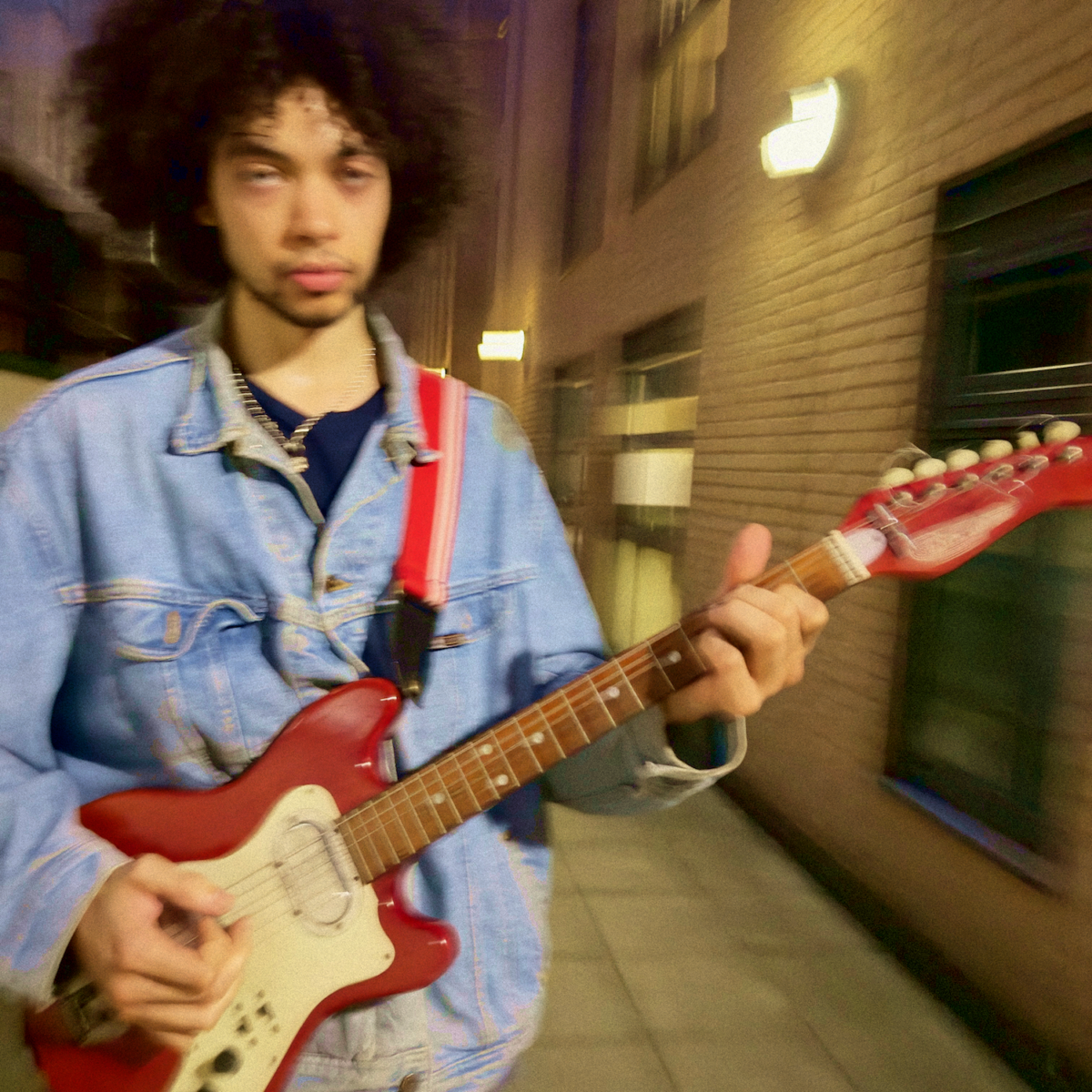
Cloud, The Interview Series.

What inspired the concept of “In My Dream” and the contrast between dreams and reality?

The concept of “In My Dream” is to express the frustration of introverted energy exploding outward when it reaches its limit.

The contrast between dreams and reality stems from the fact that I had big dreams but was constantly frustrated.

How did working with Luis Gerardo Moreno and Alex DP shape the sound of this track?

Luis Gerardo Moreno plays an important role in this song. He plays guitar throughout the entire song, from the intro to the explosive section. My guitar is only in the explosive sections. His contribution is particularly to the melancholic sound in the quieter parts.

Alex DP also brought incredible power to this song. An average drummer wouldn’t have been able to make this song as powerful and captivating. I believe the power of his playing is comparable to that of Dave Grohl.

The song builds in intensity, how did you approach arranging the guitar across the three sections?

In fact, the guitar volume remained constant from beginning to end. I think the increasing intensity comes from the three of us naturally building tension and power as we approached the climax. It’s proof that we successfully reflected emotion and power in our performance.

You mentioned influences from Nirvana’s contrast between stillness and movement, how does that show up in this song?

This song isn’t just a Nirvana imitation. It’s a perfect blend of the beautiful melody often associated with hard rock and the explosive power of grunge. Both Luis and Alex understood my intentions and delivered an intense yet beautiful performance, which resulted in an incredibly wonderful song. Their performance stands out even compared to many other musicians and is truly worthy of praise.

What do you hope listeners feel or take away after hearing “In My Dream”?

I want to assure all listeners who have listened to this song that, like everyone else, big dreams come with big setbacks. However, big setbacks are never wasted, and by sublimating them into art, they can create incredible energy. Just like Nirvana of the past, music can embrace even setbacks and despair, and sometimes give rise to incredible power and movement. I hope to continue to create compelling music that will help listeners overcome the difficult and uncertain times we face together.


Photo Credit: Cloud.

I Musici Gemelli, The Interview Series.

What inspired you to transform the Gospel narrative into a musical journey for two violins?

This cycle of twelve pieces for two violins represents a meditative and spiritual journey through the main episodes of the life of Jesus Christ, from the Nativity to the Resurrection. The atypical formation (only two violins) evokes an intimate dimension, encouraging listening and reflection.

How did you approach capturing the intimate emotions and sacred moments of Christ’s life through instrumental music?

We approached this work by reviving the madrigal style of the ancients, where every musical element is designed to shape an experience that combines faith, art, and intellect. Instrumental music thus becomes a vehicle for intimate emotions and sacred moments, capable of spiritually suggesting what cannot be expressed in words. This is accompanied by strong graphic and musical symbolism: in the pages of the score, the melodic lines draw the cross, Mount Calvary, or the ascension, making visible what the music evokes internally. A further distinctive element is the cyclical structure of the work: every three pieces there is a canon, like a Trinitarian breath that marks the rhythm of the entire journey. It is a tribute to the great Bach tradition and the art of counterpoint, understood not only as a compositional technique, but as a form of meditation and spiritual order.

The album draws from centuries of sacred music tradition, which influences shaped the compositions most significantly?

The composition of the album has been significantly influenced by the great masters: Bach, Handel, Palestrina, etc. Alongside these historical roots, the album also features contemporary influences linked to the musical sensibility of our time. Modern languages, timbres, and modes of expression intertwine with tradition, creating a dialogue between past and present.

What were the biggest challenges of conveying such a profound story using only two violins?

Playing Jesus of Nazareth means immersing oneself in the narrative of the Gospel through the language of sound, seeking to bring out not only the melodic lines and counterpoints, but also the light, the tension, the breath of what is being told. From a technical point of view, it was delicate to reproduce certain sound effects on the violin and make each picture coherent from a timbral point of view. The fusion between the two instruments must be perfectly balanced to keep the harmony alive and bring out the emotional tension of each passage.

What do you hope listeners take away from “Jesus of Nazareth” on both a musical and spiritual level?

With this album, our goal is to reach people and artists by telling a story of love and hope. Because, after all, the essence of the Christian message is simple and powerful: “do not be afraid.”


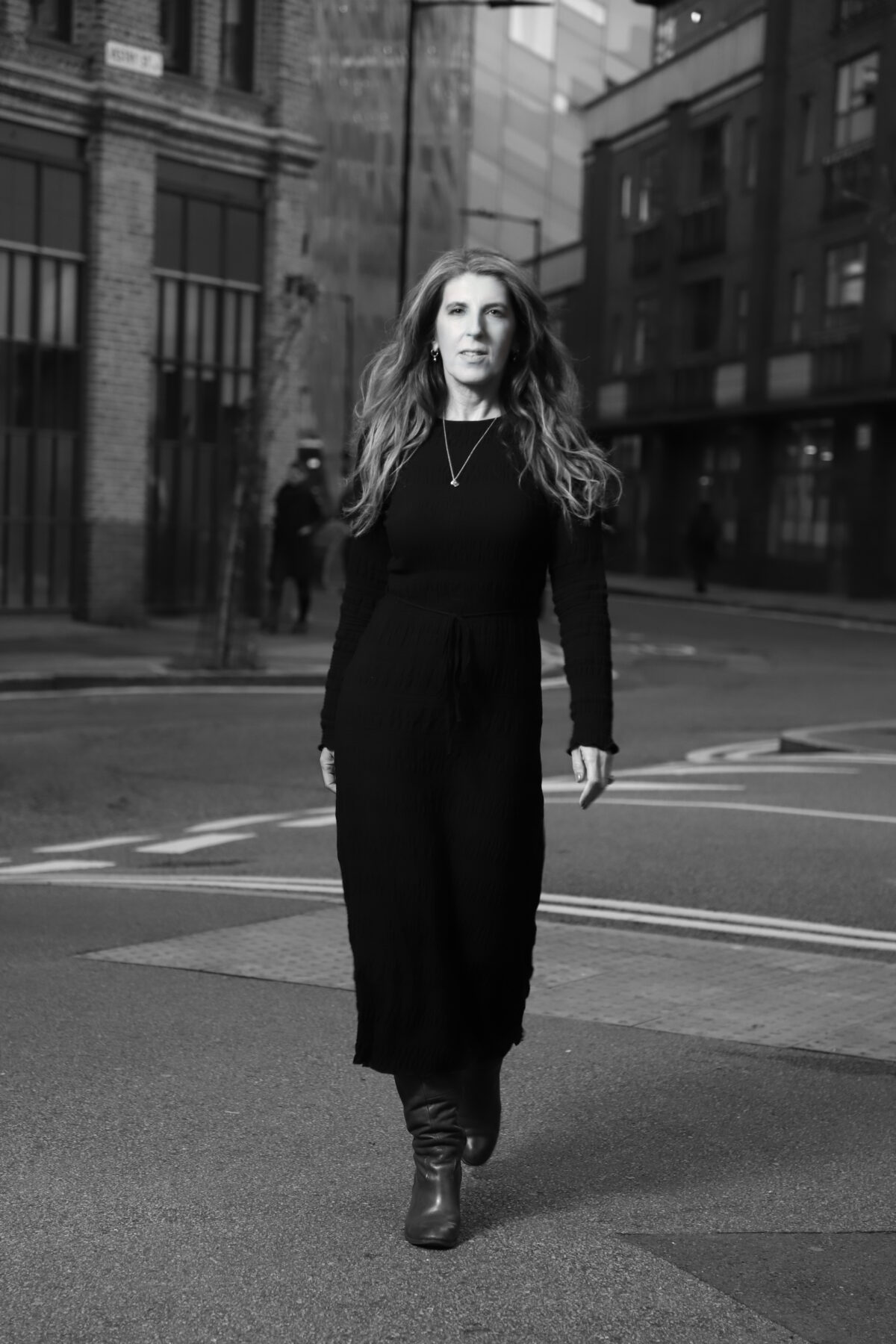
Photo Credit: I Musici Gemelli.

Film Festival Recognition for Music Videos

Marsha Swanson’s music videos are making the rounds at film festivals across the globe, proving that the marriage of music and visual storytelling can find audiences far beyond traditional music video platforms. Her video “Like an Angel” received an honorable mention at the New York Short Animation Festival, a recognition that places her work among some of the most creative animated content being produced today.

The New York Short Animation Festival has become a destination for animators and visual artists looking to push boundaries and experiment with form. An honorable mention at the festival signals that Swanson and her collaborators are doing something noteworthy with the medium. The video for “Like an Angel” uses animation to create a visual landscape that complements the song’s themes, offering viewers an experience that goes beyond simply watching a performance.

Earlier in the year, “In Touch” was screened as an official selection at the Portobello Film Festival’s 30th anniversary celebration in London. The Portobello Film Festival, which takes place in the vibrant Notting Hill neighborhood, has spent three decades championing independent filmmakers and artists who create outside the mainstream. Being selected for their milestone 30th anniversary programming put Swanson’s work in front of London audiences and festival programmers who appreciate boundary pushing creative work.

Most recently, “Generational Transmission” has been named an official selection at the New York Films Screening Festival. This marks the second festival selection for this particular video, which has clearly struck a chord with festival programmers. The video, created in collaboration with longtime visual partner Sam Chegini, showcases the innovative visual work that has become a hallmark of Swanson’s releases.

Chegini has worked with Swanson on multiple projects, developing a visual language that feels consistent across her body of work while still allowing each piece to have its own identity. The collaboration between musician and visual artist has created something that feels more like a true partnership than the typical director for hire relationship that characterizes many music videos. Each project builds on the last, with both artists pushing each other to try new approaches and techniques.

The festival recognition highlights how Swanson’s approach to combining music with compelling visuals is resonating with audiences and programmers worldwide. In an era where music videos often feel like afterthoughts or simple promotional tools, Swanson is treating the form as an opportunity to create something that stands on its own as a piece of art. The fact that film festivals, not just music video competitions, are recognizing her work suggests that she’s succeeding in that mission.

Julia Thomsen, ‘Wonderland’

Julia Thomsen’s new single “Wonderland” is out now, and it’s just the kind of track you want around the festive season. From the first notes, it feels cinematic and magical, the sort of music that immediately pulls you in and doesn’t let go.

The strings rise and fall in a way that feels effortless, building tension and warmth without ever feeling forced. Listening to “Wonderland” is like wandering through a Christmas market at dusk—the lights twinkle, the air smells of pine and cinnamon, and everything just feels a little bit magical. That’s exactly the feeling Thomsen captures here.

The song manages to feel both grand and intimate at the same time. There’s real emotion behind it, a sense that it’s made to be enjoyed, savored, and returned to. It doesn’t try to impress with flashy production—it just does what it sets out to do beautifully. By the time it ends, it leaves you with a cozy, contented feeling, like stepping inside from the cold and wrapping up in something warm.

“Wonderland” is one of those rare festive songs that actually feels timeless. Big enough to make an impression, yet personal enough to feel like it’s just for you. It’s easy to imagine it becoming a seasonal favourite.

Cloud, ‘In My Dream’

“In My Dream” builds in a way that keeps you guessing where it’s going next.

Cloud, the Japanese guitarist behind this track, has put together something that understands dynamics. It doesn’t blast you from the first second. Instead, it moves through three distinct sections, each one raising the stakes. By the time you hit that final section, the guitar work has gone from controlled to completely unleashed, and it feels like a natural progression rather than a calculated move.

What caught my attention was how the song plays with this idea of someone existing differently in your head than they do in real life. We’ve all been there. You build someone up in your thoughts, create this version of them that might not match reality at all. Cloud captures that disconnect without spelling it out too obviously. The lyrics shift between “in my dream” and “in my head,” and that simple distinction actually says a lot.

There’s a contrast here that reminds me of what made Nirvana’s quieter moments so effective. That push and pull between stillness and eruption. Luis Gerardo Moreno’s guitar work complements Cloud’s playing really well. They’re not stepping on each other. And Alex DP’s drumming knows when to hold back and when to drive everything forward. That kind of restraint is harder to pull off than just going full throttle the entire time.

The song touches on how dreams can lift you up or completely wreck you, sometimes both in the same night. Cloud doesn’t pick a side or wrap it up neatly. The track just sits in that uncomfortable middle space where most of us actually live.

Educatable, ‘Thank You’

There’s a lot of history packed into “Thank You,” but you wouldn’t necessarily know it just from listening.

Ricky Barson has been carrying Educatable forward since losing his bandmate and songwriting partner Dom Slone, and that could’ve gone a thousand different ways. He could’ve shelved the project entirely. He could’ve made something dark and introspective. Instead, he’s made a track that genuinely feels like joy without ignoring where he’s been.

The first thing that grabbed me was how the rhythms move. There’s this bounce to “Thank You” that gets under your skin immediately. It’s not trying to be complex or show off, it just wants you to feel good. Those little touches of African and World music influences give it texture without making a big deal about it. They’re just there, adding colour to the whole thing.

Barson’s voice surprised me. Taking over as lead vocalist after being the drummer for years is no small thing, but he sounds comfortable here. Not polished in that overproduced way, but confident. Like he’s found his place in this new version of what Educatable is. The melodies have that earworm quality, the kind that’ll pop into your head two days later while you’re making coffee.

What I keep coming back to is how the track balances everything. You can hear those big, expansive influences like Coldplay and U2 in the way the song breathes and builds, but there’s also this modern indie pop energy that keeps it from feeling too stadium sized. It’s ready for a festival stage but would work just as well in a packed club.

The Here And Now, ‘Riptide’

The Here And Now are back with “Riptide”. They have been working the London circuit since 2020, and you can hear every gig, every late night practice session, every lesson learned in this track. It’s got weight to it. Not just in the heavy guitar work, though Jason Bond delivers plenty of that, but in the way the whole thing comes together.

Cherry Terzza’s voice is the anchor here. She’s not shouting for attention or trying to impress you with vocal gymnastics. Instead, she pulls you in close and makes you listen. When she shifts from that quieter, almost conversational tone into full power mode, it doesn’t feel like a trick. It feels earned. That’s the difference between a good vocalist and someone who actually understands the song they’re singing.

The riptide concept is simple but effective. You know something’s bad for you, you see it coming, and you dive in anyway. The band explores that without overexplaining it. They trust you to get it, which I appreciate. The lyrics give you enough to work with while leaving room for your own interpretation.

Rich Sackey Addo’s drumming keeps everything locked in without being flashy. Callum Lowe’s bass work is understated but essential, the kind of playing that holds a song together from underneath. And Bond’s guitar riffs cut through with purpose. Nothing feels wasted here.

Ervin Munir Ft Kate Swanson, ‘Lifeline’

Ervin Munir has been steadily building a catalog since 2022, releasing over 20 singles and establishing himself as a fixture in North Norfolk’s music scene. But “Lifeline,” his new collaboration with vocalist Kate Swanson, feels like a step forward for the Sheringham based songwriter.

The track tackles that specific kind of loneliness that can swallow you whole until someone shows up and reminds you what connection feels like. Ervin describes it as being about that moment when one person changes everything, and the music backs up that sentiment without getting heavy handed about it. This is emotional without being manipulative, which is a harder balance to strike than it sounds.

Kate Swanson’s vocal opens things up. There’s this serenity to her delivery, but underneath it you can feel real power waiting. The piano gives her space to establish the mood before Ervin comes in for the chorus. When the two voices meet, something clicks. It’s not just two people singing the same words. They’re actually harmonizing in a way that feels like a conversation, like two perspectives coming together to say the same thing.

The guitar work builds as the track progresses, adding these soaring leads that lift everything without overwhelming the vocals. The arrangement knows when to pull back and when to push, which matters when you’re dealing with a song about emotional rescue. Too much and it becomes melodramatic. Not enough and it loses impact. Ervin and his collaborators found the right level.

Julia Thomsen, ‘Golden Hour’

Piano music can go wrong in so many ways. Too precious and it becomes unlistenable. Too minimal and it disappears completely. Too emotional and it feels like manipulation. Julia Thomsen avoids all these traps with “Golden Hour,” her new composition that’s available to stream right now.

This is music that understands its purpose and doesn’t try to be more than what it needs to be. Thomsen has created something for when your brain won’t stop spinning and you need an anchor point. Not something loud enough to distract you, but present enough to give you something to focus on besides your own thoughts. The piano work has this physical warmth to it that’s hard to describe without sounding ridiculous, but it genuinely feels like the musical equivalent of wrapping yourself in a blanket.

The timing of the release matters. Late November hits different when you’re trying to balance end of year work deadlines with holiday planning and the general heaviness of shorter days. “Golden Hour” arrives exactly when people need something uncomplicated in their lives. Thomsen describes it as music for in between moments, which is perfect because those are often the moments when we’re most vulnerable to feeling overwhelmed.

What works here is the complete absence of urgency. The composition moves at its own speed, never pushing, never asking you to feel something specific. It just is. You can put it on while cooking dinner, let it play while you’re reading, or actually sit with it and give it your full attention. It works in all these contexts because Thomsen isn’t trying to control your experience. She’s just offering something gentle and letting you decide what you need from it.

I Musici Gemelli, ‘Jesus of Nazareth’

Twin brothers Francesco Pio and Giuseppe Pio Bertozzi have taken twelve original compositions by Emanuele Stracchi and turned them into this nearly 50 minute meditation on the life of Christ. What could have easily become background music for a cathedral gift shop instead feels like you’re sitting in the room with two musicians who genuinely care about what they’re playing. From “Nativitas Christi” opening the album to “Resurrectio Christi” closing it out, every movement carries weight.

The two violin format is deceptively simple. No orchestra backing them up, no piano to fill out the harmony, just two instruments that have to do all the heavy lifting. The brothers have to breathe together, think together, and most importantly, trust each other completely. That trust comes through in the recording. You can hear them listening to each other, making space, knowing exactly when to step forward and when to pull back.

Stracchi’s compositions pull from serious sources. There’s Gregorian chant woven through parts of it, Renaissance polyphony showing up in the counterpoint, echoes of Bach and Palestrina in how the voices interact. The “canon per tonos” he uses for Christ’s entry into Jerusalem is a nice touch. Each voice rises by one tone, musically painting that image of ascending into the Holy City. It’s the kind of detail that matters even if you don’t know the technical term for what’s happening.

What keeps this from feeling stuffy or academic is how emotionally direct it is. The Bertozzi brothers talk about immersing themselves in the character, trying to capture the intimate emotions and meaningful silences. That’s not just artist talk. You can actually hear it in how they approach each movement. The temptation in the desert sounds different from the first miracle at Cana, which sounds different from the Last Supper. They’re not just playing notes. They’re telling a story, and they believe in it.